
Evidence-based care strategies that improve healing outcomes
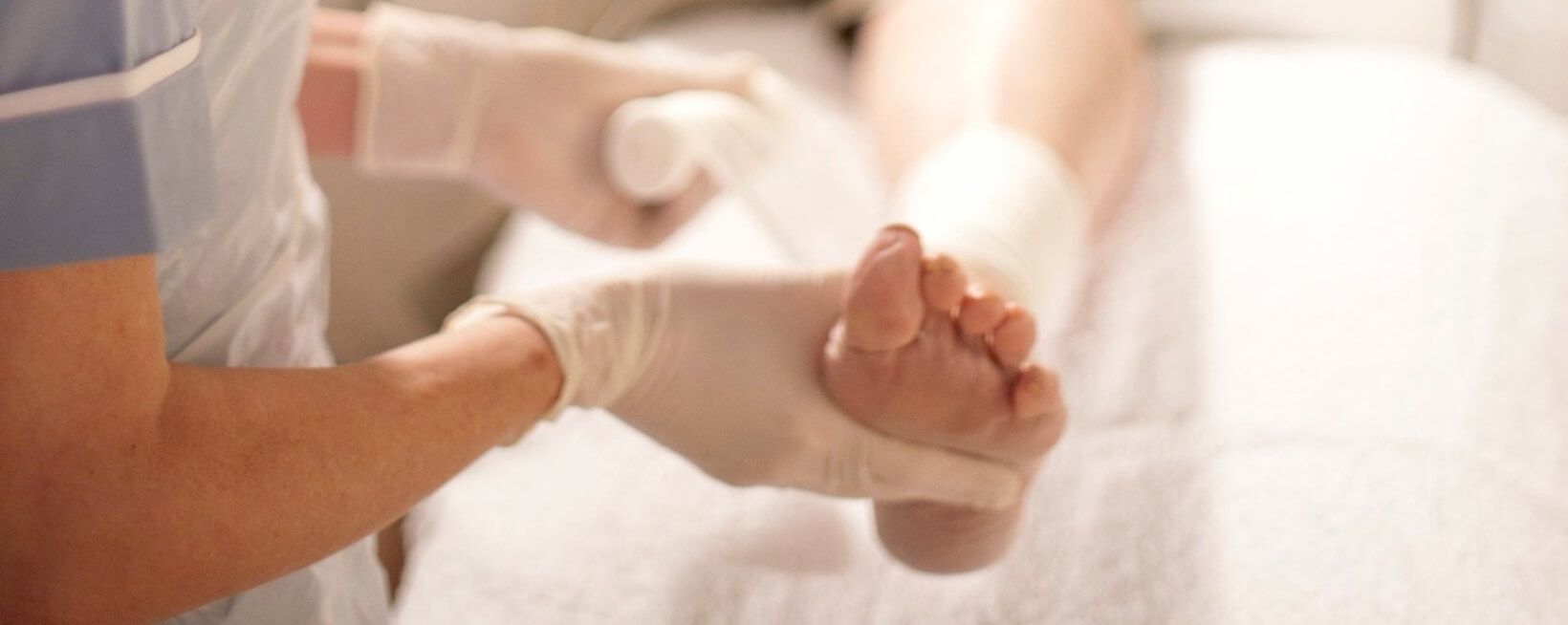
Venous leg ulcers are one of the most common chronic wounds, often recurring and slow to heal without the right approach. They develop when damaged leg veins fail to return blood efficiently, leading to increased pressure, fluid buildup, and eventual skin breakdown. Effective management at home is possible, but it must be structured, consistent, and clinically guided to achieve reliable healing outcomes.
Why venous leg ulcers are difficult to heal
Venous insufficiency creates a cycle that works against normal wound healing. Elevated pressure in the lower legs leads to swelling, reduced oxygen delivery, and inflammation in surrounding tissues. Over time, even minor skin injuries can progress into open ulcers that persist without targeted intervention. These wounds are not simply a surface issue. Treating only the visible wound without addressing the underlying venous problem often leads to delayed healing or recurrence. Long-term success depends on improving circulation while supporting the wound environment.
Compression therapy as the foundation of treatment
Compression therapy is the cornerstone of venous leg ulcer care. By applying controlled pressure to the lower leg, compression helps move blood back toward the heart, reducing swelling and improving oxygen and nutrient delivery to the wound. When used consistently, compression can significantly accelerate healing and reduce the risk of recurrence. However, it must be applied correctly and monitored regularly. Improper use can limit effectiveness or cause discomfort, which often leads to poor adherence. In a home setting, clinicians ensure that compression is appropriate for the patient’s vascular status and adjust the approach as swelling and wound conditions change.
Advanced wound care techniques that support healing
Beyond compression, the wound itself requires careful management to create an optimal healing environment. This includes maintaining the right moisture balance, protecting surrounding skin, and removing non-viable tissue when necessary. Specialized dressings are selected based on the wound’s characteristics and may be adjusted as healing progresses. Regular assessment allows clinicians to identify whether the wound is improving and to intervene early if progress slows. For more complex cases, additional therapies may be introduced to stimulate tissue repair and address barriers to healing. These decisions require clinical expertise and ongoing evaluation.
The role of mobility and leg elevation
Movement and positioning play a critical role in managing venous leg ulcers. Gentle, regular activity helps improve circulation and supports the effectiveness of compression therapy. At the same time, elevating the legs above heart level when resting reduces swelling and relieves pressure in the veins. In-home care provides an opportunity to evaluate daily routines and make practical recommendations that fit the patient’s environment. Small adjustments, when applied consistently, can have a measurable impact on healing outcomes.
Preventing recurrence after healing
Even after a venous leg ulcer closes, the underlying condition remains. Without ongoing management, recurrence is common. Long-term success depends on maintaining the strategies that supported healing in the first place. This typically includes continued use of compression, monitoring for early skin changes, and managing contributing factors such as weight, activity level, and overall vascular health. Education is essential so patients and caregivers understand how to sustain progress and respond quickly to any new concerns.
Why in-home care improves healing outcomes
Managing venous leg ulcers at home allows for a more consistent and personalized approach to care. Regular visits ensure that compression is applied correctly, dressings are appropriate, and progress is closely monitored. The home setting also gives clinicians visibility into factors that may affect healing, such as mobility limitations or challenges with adherence. Addressing these in real time leads to more effective care and reduces the likelihood of setbacks. This level of oversight is particularly valuable for chronic wounds, where small changes in management can significantly influence outcomes.
Get the right care to support faster healing
Venous leg ulcers require a coordinated approach that addresses both the wound and the underlying circulation issues. With the right combination of compression, advanced wound care, and consistent monitoring, healing outcomes can improve significantly.
Our team provides specialized
wound care directly in the home, focusing on evidence-based treatments that support faster recovery and reduce recurrence. If you or a loved one is dealing with a
venous leg ulcer that is not improving, early intervention can make a meaningful difference in the healing process.