
How to recognize infection early and take the right next step
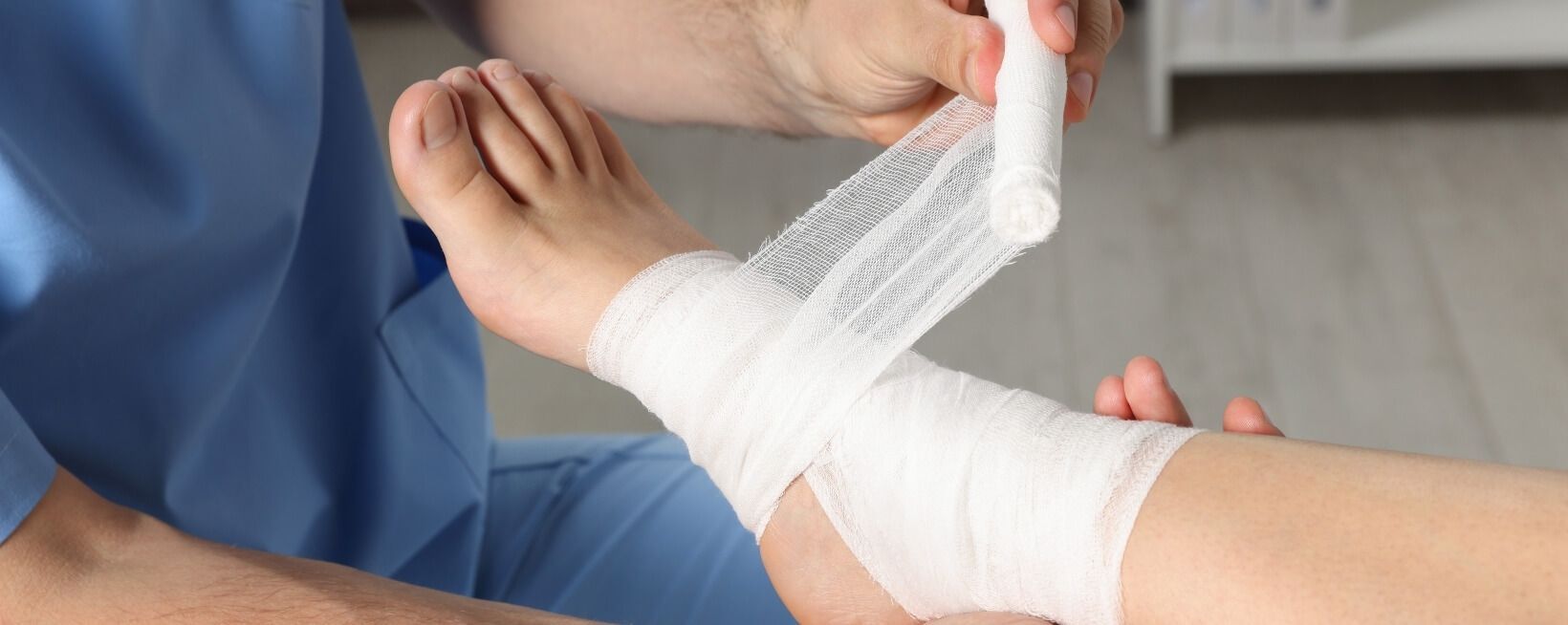
Wound infections can escalate quickly if they are not identified and treated early. What may start as a minor issue can progress into a serious complication, especially for individuals with underlying conditions such as diabetes or poor circulation. Recognizing the warning signs and knowing when to act is critical to protecting both healing outcomes and overall health.
How infections develop in wounds
Any break in the skin creates an entry point for bacteria. While the body can often manage minor exposure, certain conditions make it easier for bacteria to multiply and overwhelm the healing process. Poor blood flow, elevated blood sugar, and prolonged pressure all contribute to an environment where infection can take hold. As bacteria grow, they interfere with normal tissue repair and trigger inflammation. Without proper treatment, this can lead to deeper tissue involvement and, in more severe cases, spread beyond the wound itself.
Early signs a wound may be infected
In the early stages, infection can be subtle. Some redness and mild discomfort are part of normal healing, but infection typically presents with changes that intensify rather than improve over time. A wound that becomes increasingly red, swollen, or tender should be evaluated more closely. The surrounding skin may feel warm to the touch, and the wound itself may begin to produce drainage that is thicker or discolored. A noticeable odor is another common indicator that bacteria are present. Pain that worsens instead of gradually improving is also a key signal. In many cases, patients describe a shift from mild discomfort to persistent or sharp pain that was not present before.
Signs the infection may be worsening
As an infection progresses, symptoms often become more pronounced and may extend beyond the immediate wound area. Redness can begin to spread outward, and swelling may increase significantly. Drainage may become more frequent or change in consistency. Systemic symptoms can also develop. Fever, chills, and fatigue are signs that the body is responding to a more advanced infection. At this stage, the risk of complications increases, and prompt medical care becomes essential. For high-risk individuals, particularly those with diabetes or compromised immune systems, infections can worsen rapidly and should never be monitored without professional oversight.
What to do if you suspect a wound infection
If there is any concern that a wound may be infected, the most important step is to have it evaluated by a qualified provider as soon as possible. Waiting to see if symptoms improve on their own can allow the infection to progress and make treatment more complex. A wound care specialist can assess the severity of the infection, clean the wound appropriately, and determine whether additional interventions such as debridement or antimicrobial treatment are needed. Early treatment not only addresses the infection but also helps restore the wound’s ability to heal. In a home setting, timely access to care is especially important. Delays related to transportation or scheduling can lead to avoidable complications.
When in-home wound care is the right next step
For patients who have difficulty traveling or require close monitoring, in-home wound care offers a practical and effective solution. Receiving care at home allows for faster intervention, consistent follow-up, and real-time adjustments to the treatment plan. It also gives clinicians the ability to assess environmental factors that may be contributing to infection risk, such as pressure points or hygiene challenges. Addressing these factors alongside clinical treatment leads to more complete and sustainable healing.
Do not wait to address signs of infection
Infected wounds rarely improve without proper treatment, and delays can significantly increase the risk of serious complications. Acting quickly at the first sign of concern is the most effective way to protect both the wound and the patient’s overall health. Our team provides expert wound care directly in the home, with the ability to evaluate and treat infections early. If you notice signs that a wound may be infected or is not healing as expected, calling today can help you get the care you need before the situation becomes more serious.