
How in-home treatment improves healing and helps prevent complications
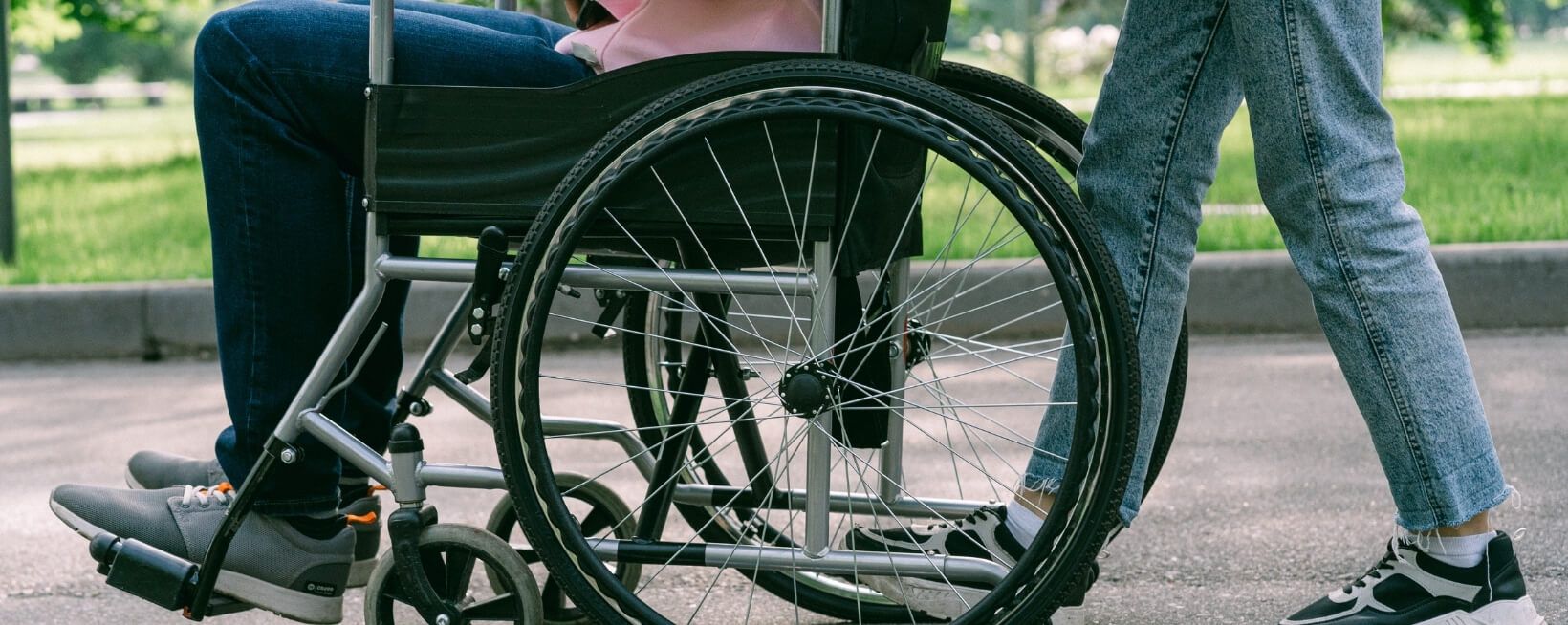
Pressure ulcers, also known as bedsores, are a serious and often preventable condition that can quickly worsen without proper care. They commonly affect individuals with limited mobility, including those recovering from surgery, managing chronic illness, or receiving long-term care at home. Understanding how pressure ulcer treatment at home works can help patients and caregivers take the right steps early and avoid more advanced complications.
Why pressure ulcers require timely, specialized care
Pressure ulcers develop when prolonged pressure reduces blood flow to the skin and underlying tissue. Over time, this leads to tissue breakdown, starting at the surface and potentially progressing to deeper layers, including muscle and bone. These wounds are not only painful but also highly susceptible to infection.
Treating pressure ulcers effectively requires more than basic wound care. The underlying cause, sustained pressure, must be addressed alongside the wound itself. Without relieving pressure and managing contributing factors such as moisture, nutrition, and mobility, healing is unlikely to progress.
In-home wound care providers are trained to evaluate both the wound and the patient’s environment, allowing for a more comprehensive approach to treatment.
How mobile wound care treats pressure ulcers at home
Mobile wound care brings clinical expertise directly into the home, allowing for consistent and personalized treatment. Each visit is tailored to the severity of the ulcer and the patient’s overall health status.
Care typically begins with a thorough assessment of the wound, including its stage, size, and tissue involvement. This informs the treatment plan, which may include cleaning the wound, removing non-viable tissue when appropriate, and selecting advanced dressings that maintain the right moisture balance.
Equally important is addressing pressure redistribution. Clinicians evaluate how the patient sits, lies, and moves throughout the day, making recommendations to reduce sustained pressure on vulnerable areas. This may involve repositioning schedules, support surfaces, or specialized cushions and mattresses.
Ongoing monitoring ensures that the wound is responding to treatment and allows for timely adjustments if healing stalls.
The role of prevention in pressure ulcer care
Preventing pressure ulcers is just as important as treating them, particularly for patients at high risk. Once a pressure injury develops, it can be difficult and time-consuming to heal, making early prevention strategies essential.
In a home setting, prevention focuses on consistent repositioning, maintaining skin integrity, and managing moisture. Clinicians also assess risk factors such as nutrition and hydration, which play a critical role in tissue health and recovery.
Caregivers are a central part of prevention. With proper guidance, they can identify early warning signs such as skin discoloration or persistent redness and take action before a wound develops. This proactive approach significantly reduces the likelihood of advanced-stage ulcers.
Benefits of treating pressure ulcers at home
Receiving pressure ulcer treatment at home offers both clinical and practical advantages. Patients benefit from regular, hands-on care without the challenges of traveling to a clinic, which can be especially difficult for those with limited mobility.
The home environment also provides valuable context for care. Clinicians can identify risk factors that may not be visible in a clinical setting, such as bedding issues, seating surfaces, or daily routines that contribute to pressure buildup. Addressing these factors directly leads to more effective and sustainable outcomes.
Additionally, in-home care allows for better coordination with caregivers, ensuring that treatment plans are followed consistently between visits.
When to seek professional care for pressure ulcers
Early intervention is critical when dealing with pressure ulcers. Waiting too long can allow the wound to progress to a more severe stage, increasing the complexity of treatment and the risk of infection.
Signs that it is time to involve a wound care specialist include persistent redness that does not resolve, open skin or blistering, drainage, or any indication that the wound is worsening rather than improving. Patients with underlying conditions such as diabetes or vascular disease should be especially cautious, as healing may be further impaired.
Seeking care at the first sign of concern allows for faster treatment and reduces the likelihood of complications.
Get expert pressure ulcer treatment at home
Managing pressure ulcers requires a combination of clinical expertise, consistent care, and attention to the patient’s environment. Mobile wound care makes it possible to deliver all of these elements directly in the home, improving both comfort and outcomes.
Our team provides advanced
pressure ulcer treatment both at home & in our Chattanooga clinc, working closely with patients, caregivers, and healthcare providers to develop and manage effective care plans. If you are noticing early signs of a pressure ulcer or struggling with a wound that is not healing,
scheduling an in-home evaluation can help you take control of the situation before it becomes more serious.